
In South African cities, cafes have become essential third spaces — places that exist between home and work. They offer comfort, flexibility, and social presence within busy urban environments.
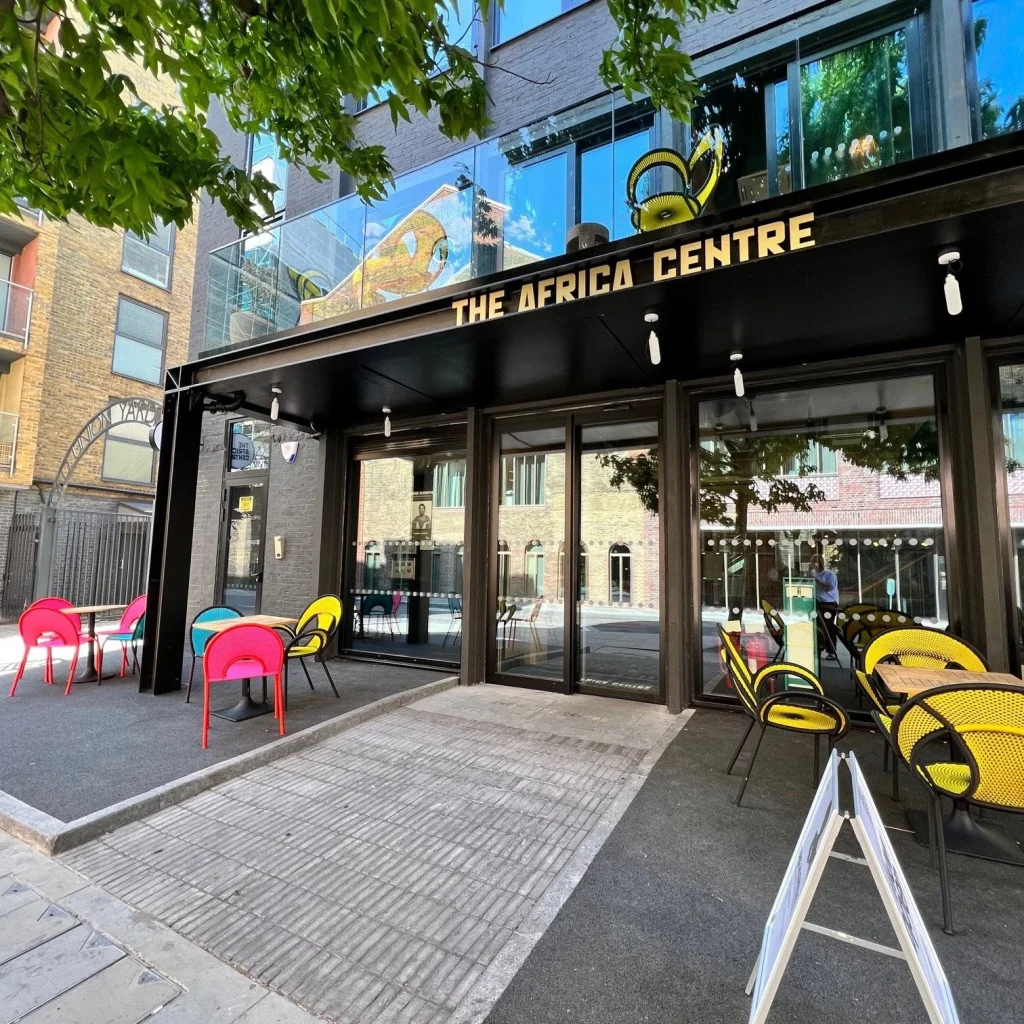
These spaces quietly support everyday city life.
Understanding Third Spaces
Third spaces are environments where people can spend time without obligation or formal roles.
In urban South Africa, cafes fulfill this role by offering accessible and welcoming spaces for a wide range of people.
Urban Life and the Need for Third Spaces
City life often involves long commutes, busy schedules, and limited personal space.
Cafes provide relief by offering places to pause without fully disengaging from daily routines.
Personal Space in Shared Environments
Cafes allow individuals to occupy personal space while remaining part of a shared environment.
This balance supports both solitude and social awareness.
Social Interaction Without Pressure
Conversations in cafes are casual and flexible. People meet without strict time limits or expectations.
This relaxed structure supports spontaneous connection.
Diversity and Inclusion
South African cities are diverse, and cafes reflect this mix. People from different backgrounds, ages, and professions share the same space.
Cafes act as neutral ground within urban communities.
Design That Supports Third Space Use
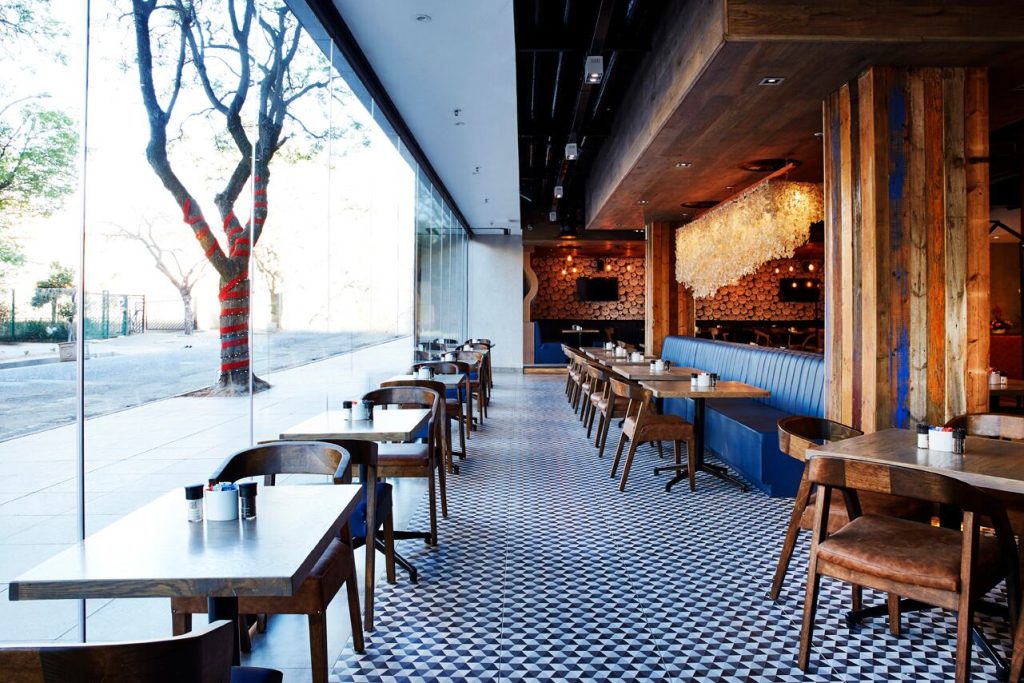
Interior design reinforces the third space function. Comfortable seating, open layouts, and natural light encourage extended stays.
These environments are designed for presence rather than turnover.
Work, Study, and Rest Coexisting
Cafes host a blend of activities. Some people work or study, while others relax or socialize.
This coexistence is accepted and respected.
Emotional and Mental Support
Cafes offer emotional grounding. They provide routine, familiarity, and a sense of stability within fast-moving cities.
Regular visits contribute to mental well-being.
Neighborhood Anchors
Many cafes become local anchors. They build identity and continuity within neighborhoods.
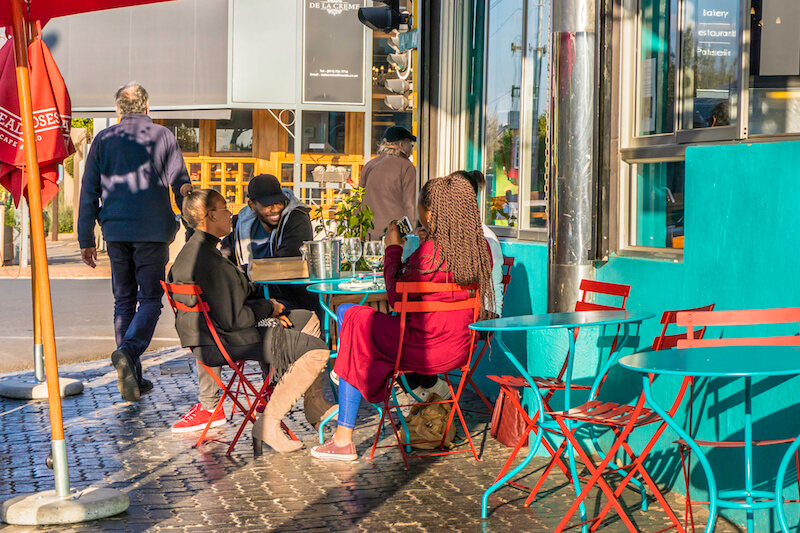
These spaces strengthen community ties.
Quiet Infrastructure of City Life
In South African cities, cafes serve as quiet social infrastructure.
As third spaces, they offer something simple yet vital: a place to be, between everything else.